

What is the VS / VSME standard?
The Voluntary Standard (VS) is a voluntary European sustainability reporting standard designed for SMEs, helping them structure their environmental, social and governance information. It was made official in May 2026 and updated in September 2026 and succeeds the VSME (Voluntary Sustainability Reporting Standard for non-listed SMEs), which was adopted in 2025 as a recommendation. The overall approach is similar, but the Voluntary Standard simplifies some of the required indicators. This lets more companies use it and helps them respond more effectively to requests from their large customers.
Why has VS / VSME become essential for your SME?
As its name suggests, the Voluntary Standard is not a legal obligation. Ignoring it, however, exposes your company to growing commercial, financial and reputational risks. Here is why you should act now:
- Your CSRD customers will ask for your ESG data: 67% of banks and large companies have already started using VSME / VS as a formal reference framework to collect information from their suppliers and partners. If your customers are subject to the CSRD, they need your carbon, social and governance data to complete their own reporting. VSME structures exactly this data in a format they can accept.
- The Voluntary Standard is aimed at 80% of European companies: under the Omnibus directive, around 80% of companies previously subject to the CSRD are now officially excluded from it. These companies naturally fall within the scope of the Voluntary Standard. Preparing now gives you a head start on a standard that is set to become widespread.
- A lever for accessing financing: the voluntary standard reduces ESG reporting costs by harmonising requests between customers and subcontractors. It also makes it easier to access credit and public procurement by meeting financial institutions’ information needs.
- A tool for commercial differentiation: publishing a Voluntary Standard-compliant sustainability report shows your customers, partners and employees that your CSR commitment is structured, measured and verifiable.

Anticipate your customers’ requests by adopting the voluntary VSME standard.

Scoping the VS / VSME support and training your teams
We raise your teams' awareness of CSR and of the specific features of the Voluntary Standard (formerly VSME). Together, we define your ambitions, which module to choose (basic or comprehensive) and the compliance timeline.
Mapping your CSR issues
We run a simplified double materiality workshop to identify your priority ESG issues: those that affect your business and those your business affects. This work is the foundation of your sustainability report.
Gap analysis
We compare the indicators required by the Voluntary Standard (formerly VSME) with your current practices. You get a precise map of what you already have, what needs strengthening, and which workstreams to launch to collect missing data.
Building your CSR dashboard
We support you in collecting, processing and quality-checking your ESG data in line with the requirements of the VS / VSME standard. As an option, we include the indicators required by the EcoVadis assessment so data collection efforts are shared across both frameworks.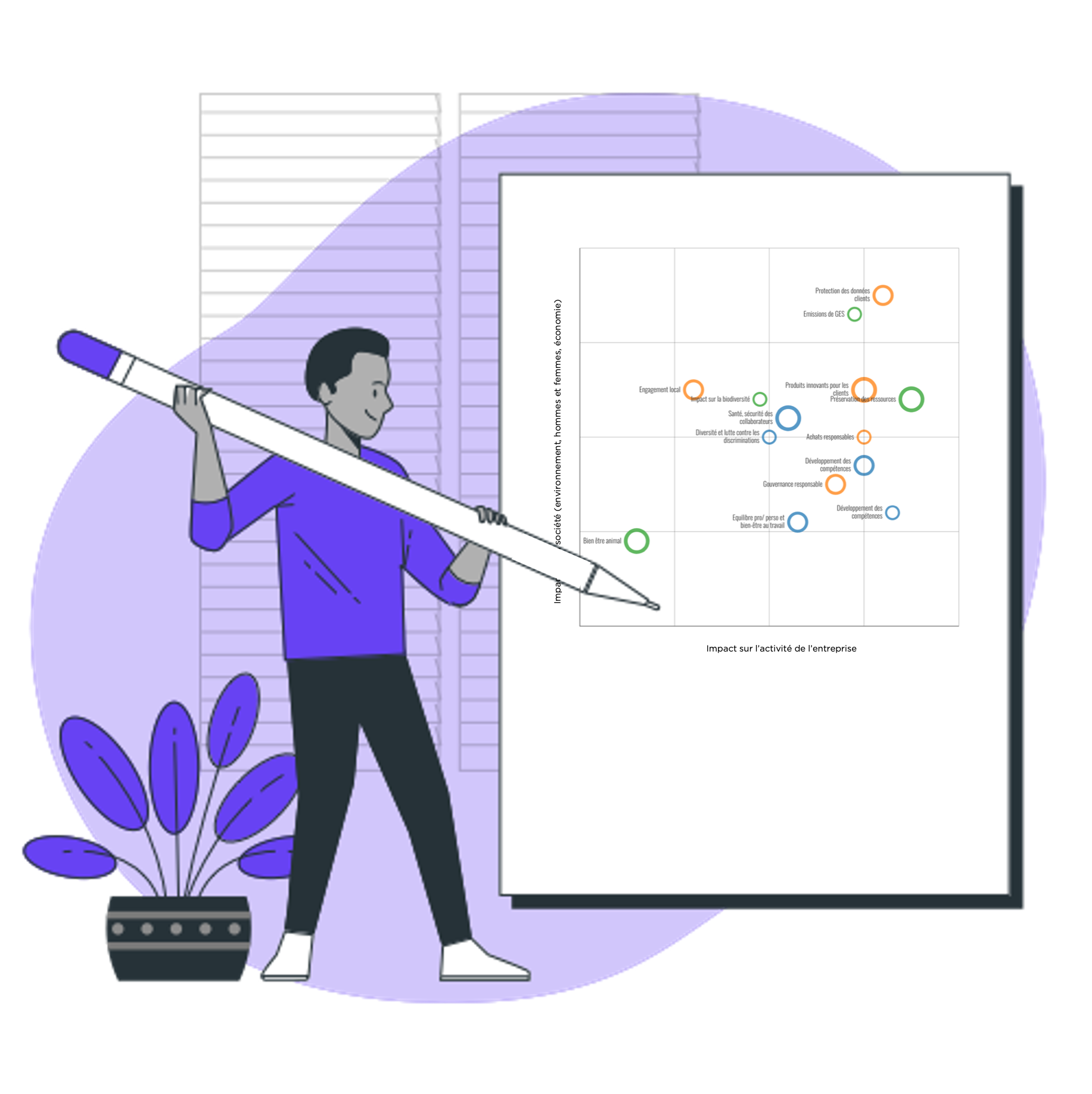
Finalising your VSME-compliant sustainability report
We co-write your VS / VSME-compliant sustainability report with your teams and in-house experts. Your management approves the report, which is then published on your website or shared directly with your customers.Our Strengths
Cross-cutting CSR expertise
Every year, Act For Now supports more than 90 companies in their CSR and sustainability projects. We understand how the VS / VSME standard, the CSRD and EcoVadis connect, so we can pool work and avoid duplication across frameworks.
We lead by example
We are in the top 1% of companies assessed by EcoVadis. Our own sustainability report complies with the VS / VSME standard. We only recommend what we apply ourselves.They already trust us
We support each year 100 companies boosting their CSR strategy.



Frequently asked questions
What is VS / VSME?
Is VS / VSME mandatory for my company?
What is the difference between the VS / VSME standard and the CSRD?
Which VS / VSME module should I choose (basic or comprehensive)?
How long does VS / VSME compliance take?
Is the VS / VSME standard compatible with EcoVadis?
Can we use the VS / VSME standard to answer our customers' CSR questionnaires?
Our team
From our offices in France, we work alongside international clients remotely. Video workshops and shared working tools allow us to understand your operations and challenges in depth, and to design a robust and pragmatic CSR approach tailored to your context. We help you embed CSR in your strategy, decarbonize your operations and upskill your employees.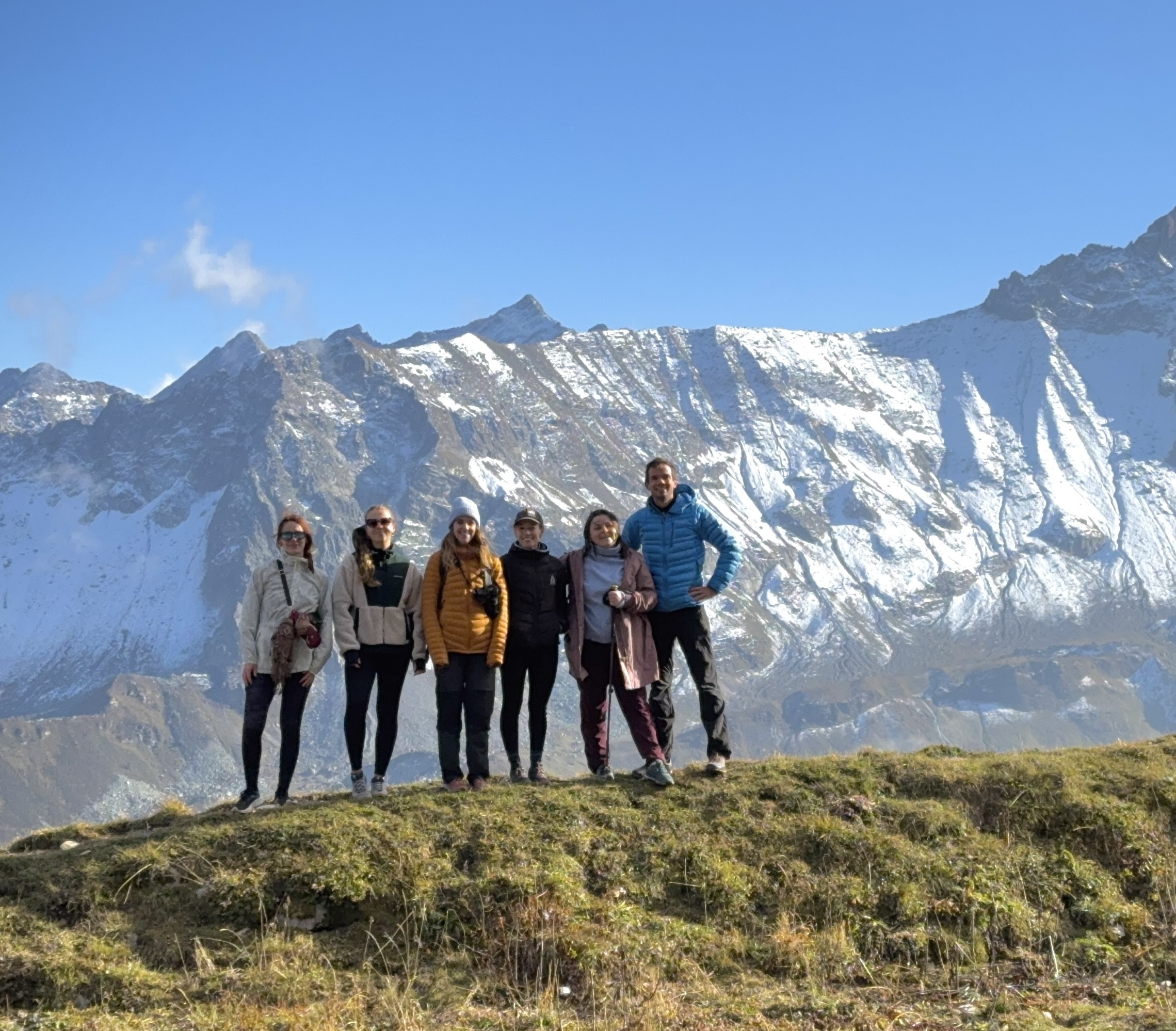

Ready to get results and boost your CSR Strategy ?
Schedule a meeting with one of our CSR experts to build your initial diagnosis.